

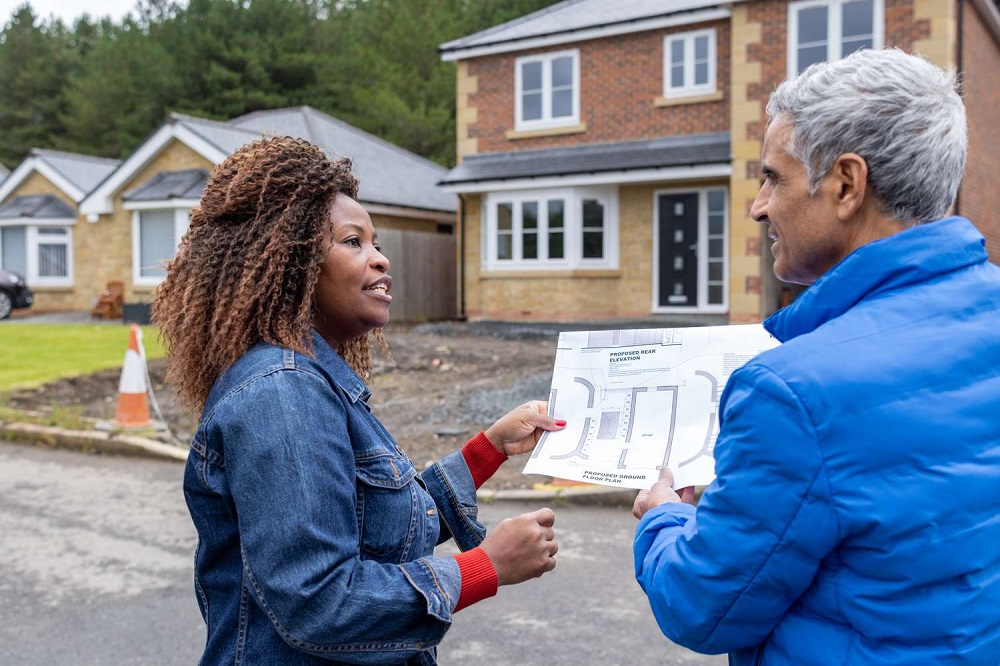
Selling a house is both a financial decision and an emotional transition. Whether you are upgrading, downsizing, relocating, or liquidating an investment property, a structured approach helps maximize your return and minimize delays. This guide explains how to prepare, price, market, negotiate, and close a home sale effectively.
Preparing Your House for Sale
Before listing your property, preparation significantly influences how quickly your house sells and the price buyers are willing to offer. Buyers often decide within minutes whether they are interested.
Declutter and Deep Clean
A clean and organized home appears more spacious and welcoming. Remove personal items such as family photos, excessive furniture, and unnecessary decorations. Focus on:
- Clearing countertops
- Organizing wardrobes
- Removing unused items
- Deep-cleaning bathrooms and kitchens
A neutral presentation helps buyers imagine themselves living in the space.
Improve Curb Appeal
First impressions strongly affect buyer perception. Enhance the exterior by:
- Trimming plants and trees
- Cleaning pathways
- Painting the main door if needed
- Fixing outdoor lighting
- Keeping the lawn tidy
Even minor upgrades can increase perceived property value.
Handle Minor Repairs
Small maintenance issues can signal neglect to buyers. Repair:
- Leaky taps
- Cracked tiles
- Loose cabinet handles
- Peeling paint
- Faulty switches
Addressing these problems builds buyer confidence.
Pricing Your Property Correctly
Setting the right price is one of the most important decisions during the selling process. Overpricing discourages buyers, while underpricing reduces profit potential.
Study Market Trends
Research similar properties recently sold in your neighborhood. Consider:
- Location advantages
- Property size
- Age of construction
- Amenities
- Nearby infrastructure
Accurate comparison helps determine a competitive price range.
Consider Professional Valuation
Real estate professionals and certified valuers analyze:
- Local demand patterns
- Comparable sales data
- Market timing
- Property condition
Their insights help avoid pricing mistakes.
Choosing the Right Selling Method
Different selling approaches suit different situations depending on urgency, experience level, and pricing expectations.
Selling Through a Real Estate Agent
Agents provide professional assistance with:
- Market analysis
- Listing exposure
- Buyer negotiations
- Legal coordination
- Documentation guidance
This option is ideal if you prefer expert support.
Selling Independently
Owners who sell directly can avoid commission fees but must manage:
- Advertising
- Buyer screening
- Negotiations
- Legal paperwork
This approach requires time and market awareness.
Selling to Property Investors
Investors usually offer faster transactions but may negotiate lower prices. This option works well if speed matters more than maximum value.
Marketing Your Property Effectively
Strong marketing increases visibility and attracts serious buyers.
Use Professional Photography
High-quality images improve listing performance significantly. Bright, clear visuals highlight:
- Space layout
- Natural lighting
- Interior finishes
- Outdoor areas
Listings with strong visuals typically receive more inquiries.
Promote Across Multiple Platforms
Increase exposure through:
- Property listing websites
- Social media platforms
- Local advertising channels
- Community notice boards
Wider reach improves your chances of securing better offers.
Conduct Property Showings
Open houses and private tours allow buyers to experience the property firsthand. Ensure the house is:
- Clean
- Well-lit
- Properly ventilated
- Quiet during visits
Positive viewing experiences encourage faster decisions.
Negotiating with Buyers Successfully
Negotiation determines the final sale price and transaction terms. Preparation helps maintain confidence during discussions.
Evaluate Offers Carefully
Look beyond the offered price and review:
- Payment method
- Loan approval status
- Timeline expectations
- Contingencies requested
A slightly lower but reliable offer may be safer than a higher uncertain one.
Stay Flexible but Strategic
Negotiation may involve adjustments related to:
- Move-out date
- Included appliances
- Minor repairs
- Price revisions
Balanced flexibility increases the likelihood of closing successfully.
Understanding Legal Documentation
Legal accuracy protects both seller and buyer throughout the transaction process.
Important documents typically include:
- Property ownership proof
- Tax clearance certificates
- Sale agreement
- Identity verification records
- Encumbrance certificate if applicable
Consulting a legal professional helps prevent disputes later.
Planning the Closing Process
Closing finalizes the transaction and transfers ownership rights.
Key closing steps include:
- Signing the sale agreement
- Completing payment transfer
- Registering ownership transfer
- Handing over property possession
Careful coordination ensures a smooth transition.
Timing the Sale for Maximum Advantage
Market timing influences both pricing and buyer availability.
Consider selling when:
- Demand is strong locally
- Interest rates are favorable
- Infrastructure development is improving nearby
- Seasonal buying activity increases
Strategic timing can increase property value perception.
Mistakes to Avoid When Selling a House
Avoiding common errors helps protect your profit margin and selling timeline.
Typical mistakes include:
- Overpricing the property
- Ignoring repairs
- Using poor-quality listing photos
- Limiting marketing exposure
- Accepting the first offer without evaluation
- Skipping legal verification
Careful preparation prevents delays and complications.
Frequently Asked Questions About House Selling
How long does it usually take to sell a house
The timeline depends on location demand, pricing accuracy, marketing strength, and property condition. Well-priced homes in active markets may sell within weeks, while others may take several months.
Should I renovate before selling my house
Minor improvements such as painting, lighting upgrades, and repairs often increase appeal. Large renovations should only be done if they significantly raise market value.
Can I sell a house that still has an outstanding loan
Yes. The loan balance can be cleared during the transaction using the buyer’s payment before ownership transfer is completed.
What documents are required for house selling
Common documents include ownership proof, identity verification, property tax receipts, sale agreement drafts, and clearance certificates depending on the region.
Is staging necessary for selling a house
Staging is not mandatory but improves presentation and helps buyers visualize living in the space, often increasing sale speed.
How do I identify serious buyers
Serious buyers usually provide proof of funds, loan approval status, and show readiness to proceed with documentation quickly.
What costs should sellers expect during the selling process
Typical expenses may include agent commission if applicable, legal documentation charges, minor repair costs, property clearance fees, and applicable transfer taxes depending on regulations.
