

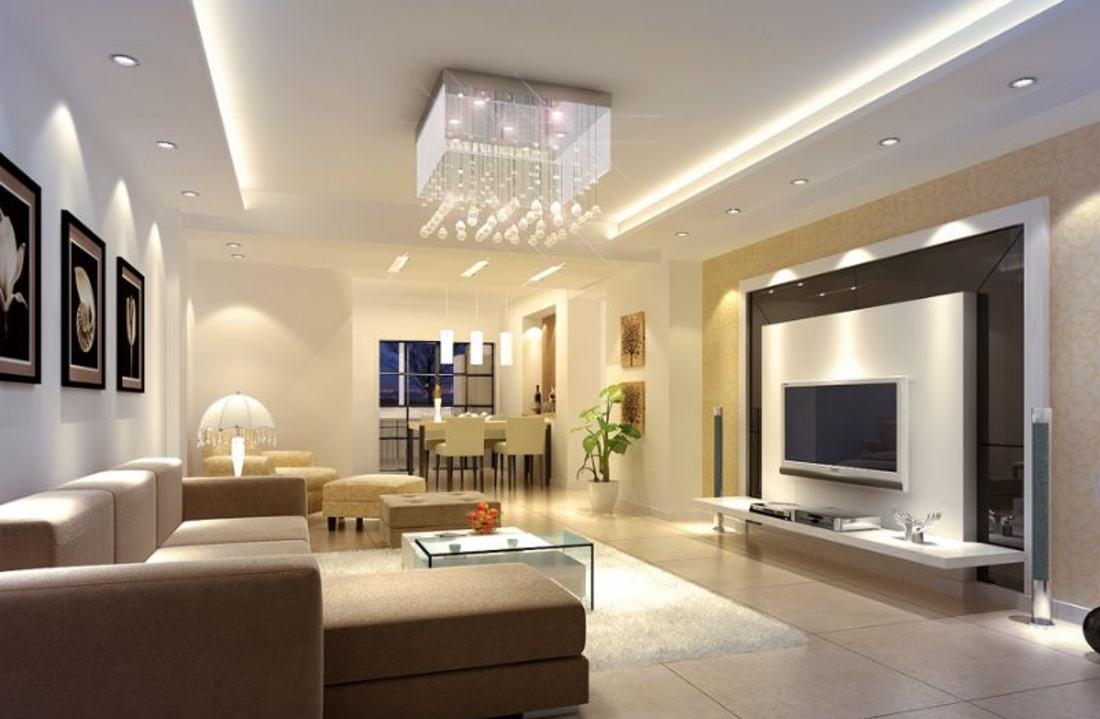
Introduction to Smart Lighting Placement in Modern Homes
Smart lighting placement is more than installing attractive fixtures. It is a practical design strategy that improves visibility, comfort, safety, and energy efficiency across different areas of a home. When lights are positioned thoughtfully and controlled intelligently, they support daily routines and enhance how each room functions.
Proper placement ensures that lighting adapts to tasks, moods, and movement patterns inside the house. Instead of relying on a single ceiling fixture, modern homes benefit from layered lighting tailored to each space.
Why Smart Lighting Placement Matters for Functionality
Lighting affects how easily people cook, read, relax, work, and move safely indoors. Strategic placement improves usability while reducing eye strain and unnecessary energy use.
Key benefits include
- Better task visibility in work areas
- Reduced shadows in activity zones
- Improved safety in hallways and stairs
- Enhanced mood through adjustable brightness
- Lower electricity consumption with automation
Thoughtful lighting transforms a house into a more responsive living environment.
Living Room Lighting Placement for Comfort and Flexibility
The living room supports multiple activities such as relaxing, watching television, reading, and social interaction. A layered lighting approach works best in this space.
Effective placement strategies include
- Ceiling lights for general illumination
- Floor lamps near seating areas for reading
- Wall lights to reduce glare near screens
- Accent lighting highlighting artwork or shelves
- Smart dimmers for adjustable brightness levels
This combination creates a balanced environment suitable for both daytime and evening use.
Kitchen Lighting Placement for Precision and Safety
The kitchen requires bright and focused lighting because it involves detailed tasks such as chopping, cooking, and cleaning. Poor placement can create shadows that reduce efficiency and increase risk.
Recommended placement areas include
- Under cabinet lights for countertop visibility
- Overhead lighting centered above work zones
- Pendant lights above kitchen islands
- Sink area lighting for washing tasks
- Motion activated lighting for night access
These placements ensure the kitchen remains functional throughout the day.
Bedroom Lighting Placement for Relaxation and Practical Use
Bedrooms require lighting that supports rest while still allowing reading and dressing activities.
Smart placement options include
- Soft ceiling lighting for general comfort
- Bedside lamps for reading without disturbing others
- Wardrobe lighting for clothing visibility
- Indirect lighting behind headboards for ambient effect
- Adjustable brightness controls for nighttime comfort
Proper bedroom lighting supports both relaxation and convenience.
Bathroom Lighting Placement for Clarity and Safety
Bathrooms need accurate lighting to support grooming and hygiene tasks. Placement should reduce shadows around the face and improve visibility near wet areas.
Important placement points include
- Mirror side lighting instead of overhead only
- Ceiling lights for overall brightness
- Shower safe lighting fixtures
- Night lighting for safe movement after dark
These improvements make bathrooms safer and easier to use.
Study Room Lighting Placement for Productivity
A study or workspace requires lighting that reduces eye strain and supports concentration during long working hours.
Smart placement includes
- Desk lamps positioned opposite the writing hand
- Overhead lighting evenly covering the workspace
- Adjustable brightness for screen use
- Wall mounted lighting to reduce shadows
Proper lighting placement improves focus and reduces fatigue.
Hallway and Staircase Lighting Placement for Safety
Transitional areas are often overlooked but play a major role in household safety.
Effective placement includes
- Motion sensor lights along walkways
- Wall mounted fixtures at eye level
- Step lighting on stair edges
- Soft night lighting for late movement
These additions reduce accident risk and improve navigation.
Smart Controls That Improve Lighting Efficiency
Placement works best when combined with intelligent control systems that adjust lighting automatically.
Useful smart control features include
- Motion sensors activating lights when needed
- Timers managing evening routines
- Voice control for convenience
- Mobile app control for remote access
- Brightness adjustment based on daylight availability
Automation ensures lights support daily habits without manual effort.
Energy Efficiency Through Strategic Lighting Placement
Correct placement reduces the need for excessive fixtures and prevents wasted electricity.
Energy saving strategies include
- Using task lighting instead of full room lighting
- Installing dimmable fixtures
- Positioning lights closer to activity zones
- Combining natural daylight with artificial lighting
- Using occupancy sensors in low traffic areas
These methods improve sustainability while lowering costs.
Common Mistakes to Avoid in Smart Lighting Placement
Avoiding placement errors ensures better long term results.
Common mistakes include
- Relying only on central ceiling lights
- Ignoring shadow creating fixture positions
- Using overly bright lighting in bedrooms
- Installing switches far from entry points
- Overlooking lighting in storage areas
Careful planning prevents these issues and improves usability.
Frequently Asked Questions
How does smart lighting placement improve daily routines
Smart placement supports activities like cooking, reading, grooming, and movement by delivering light exactly where it is needed.
Can smart lighting placement reduce electricity bills
Yes strategic placement combined with automation reduces unnecessary usage and improves energy efficiency.
Is professional planning required for smart lighting placement
Professional guidance helps but homeowners can achieve good results by focusing on task areas and layered lighting strategies.
What type of lighting works best for multipurpose rooms
Layered lighting that combines ambient task and accent lighting works best for rooms with multiple uses.
Are motion sensor lights suitable for bedrooms
Motion sensors are more suitable for hallways bathrooms and storage areas but can be used carefully in bedrooms for nighttime movement.
How can smart lighting improve home safety at night
Night lighting in hallways staircases and bathrooms reduces accident risk and improves visibility during low light conditions.
Does smart lighting placement increase property value
Well planned lighting improves comfort energy efficiency and visual appeal which can positively influence property value.
