

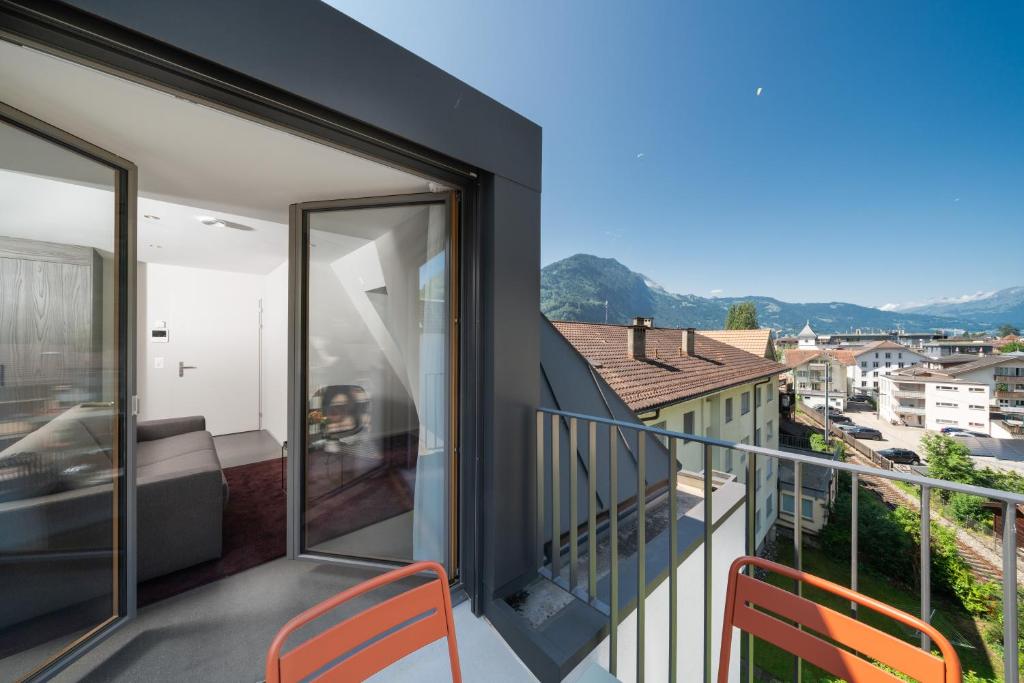
Apartments have become one of the most practical and popular housing choices in cities across the world. They offer flexibility, convenience, and access to essential amenities while supporting modern lifestyles that prioritize efficiency and connectivity. Whether you are a first-time renter, a property investor, or someone planning to relocate, understanding how apartments work can help you make smarter housing decisions.
This article explains apartment types, benefits, selection strategies, investment value, and practical tips for choosing the right space.
What Is an Apartment
An apartment is a self-contained residential unit located within a larger building or housing complex. Each unit typically includes essential living spaces such as:
- Bedroom
- Kitchen
- Bathroom
- Living area
- Balcony or utility space in some layouts
Apartments may be rented or owned depending on the housing structure and local property regulations.
Types of Apartments
Different apartment formats are designed to meet varying lifestyle and space requirements.
Studio Apartments
Studio apartments combine living, sleeping, and kitchen areas into one open space. They are ideal for:
- Students
- Young professionals
- Short-term residents
- Individuals living alone
They are cost-effective and easier to maintain.
One Bedroom Apartments
These include a separate bedroom and living area. They are suitable for:
- Working professionals
- Couples
- Remote workers needing privacy
They provide a balance between affordability and comfort.
Two and Three Bedroom Apartments
Larger apartments offer multiple bedrooms and expanded living areas. These units work well for:
- Families
- Shared accommodation
- Long-term residents
They often include additional storage space and balconies.
Duplex Apartments
Duplex units have two floors connected by an internal staircase. They provide:
- Better privacy separation
- More interior flexibility
- A townhouse-like experience within a building
Penthouse Apartments
Located on top floors, penthouses usually feature:
- Premium views
- Large terraces
- Luxury finishes
- Enhanced privacy
They are among the most expensive apartment types.
Benefits of Living in Apartments
Apartment living provides several advantages compared to standalone homes.
Efficient Use of Space
Modern apartment layouts maximize functionality without requiring large land areas. Compact designs allow residents to enjoy comfortable living even in dense urban environments.
Security Features
Most apartment complexes include security systems such as:
- Controlled entry gates
- CCTV surveillance
- Security personnel
- Intercom access
These features increase resident safety.
Access to Amenities
Many residential buildings provide shared facilities including:
- Fitness centers
- Parking spaces
- Elevators
- Play areas
- Community halls
- Landscaped gardens
These amenities enhance daily living convenience.
Lower Maintenance Responsibility
Maintenance tasks such as building repairs, landscaping, and common-area cleaning are usually managed by housing associations or management teams.
Factors to Consider Before Choosing an Apartment
Selecting the right apartment requires careful evaluation of multiple aspects.
Location
Location influences lifestyle quality and long-term property value. Consider proximity to:
- Schools
- Workplaces
- Hospitals
- Public transportation
- Shopping centers
A well-connected neighborhood improves daily convenience.
Budget Planning
Determine total housing costs before finalizing a decision. Expenses may include:
- Monthly rent or loan payments
- Maintenance charges
- Utility bills
- Parking fees
- Property taxes if purchasing
Clear budgeting prevents financial stress.
Layout and Ventilation
A well-designed apartment should provide:
- Natural light
- Proper airflow
- Efficient room placement
- Storage areas
These factors improve comfort and health.
Building Infrastructure
Check essential infrastructure elements such as:
- Water supply reliability
- Power backup availability
- Elevator condition
- Fire safety compliance
- Waste management systems
Reliable infrastructure ensures smooth living conditions.
Apartment Ownership vs Renting
Both ownership and renting offer unique advantages depending on personal goals.
Renting Advantages
Renting is ideal for people seeking flexibility. Benefits include:
- Lower initial investment
- Easier relocation
- Reduced maintenance responsibility
- Short-term commitment
It suits individuals who move frequently for work or education.
Ownership Advantages
Buying an apartment provides long-term stability and financial value.
Key ownership benefits include:
- Asset creation
- Property appreciation potential
- Rental income opportunities
- Freedom to modify interiors
Ownership works best for long-term settlement plans.
Apartment Investment Potential
Apartments are considered reliable real estate investments due to steady housing demand.
Investment advantages include:
- Regular rental income
- Long-term value appreciation
- Lower maintenance compared to independent houses
- Strong resale market in urban areas
Choosing apartments in developing neighborhoods often increases future returns.
Interior Planning Tips for Apartment Living
Smart interior planning improves functionality even in limited spaces.
Useful strategies include:
- Using multipurpose furniture
- Installing wall-mounted storage units
- Choosing light-colored walls
- Maximizing natural lighting
- Keeping layouts uncluttered
Efficient design enhances comfort without requiring additional space.
Legal Checks Before Buying an Apartment
Before purchasing an apartment, verifying documentation protects buyers from legal complications.
Important checks include:
- Property ownership verification
- Building approval status
- Occupancy certification
- Utility connections clearance
- Maintenance agreement details
Consulting a qualified legal advisor helps ensure safe transactions.
Future Trends in Apartment Living
Modern apartment developments continue evolving to match changing lifestyle needs.
Emerging trends include:
- Smart home integration
- Energy-efficient construction
- Shared community workspaces
- Sustainable water management systems
- Green building materials
These innovations improve sustainability and convenience.
Frequently Asked Questions About Apartments
What is the difference between an apartment and a flat
Both terms describe similar residential units. The difference mainly depends on regional language usage rather than structural variation.
How do maintenance charges work in apartment complexes
Maintenance charges cover services such as security, cleaning, elevator operation, and shared facility upkeep. They are usually collected monthly or annually.
Are apartments suitable for long-term family living
Yes. Larger apartments with multiple bedrooms and community amenities are well suited for families.
Can apartments generate rental income
Yes. Apartments located in high-demand areas often provide consistent rental returns.
How important is parking availability when choosing an apartment
Parking availability is essential in urban areas where street parking is limited. Dedicated parking improves convenience and resale value.
What should tenants check before signing a rental agreement
Tenants should review lease duration, deposit amount, maintenance responsibilities, and termination clauses before signing.
Do apartment values increase over time
Apartments in well-connected locations with strong infrastructure typically appreciate steadily over time.
