

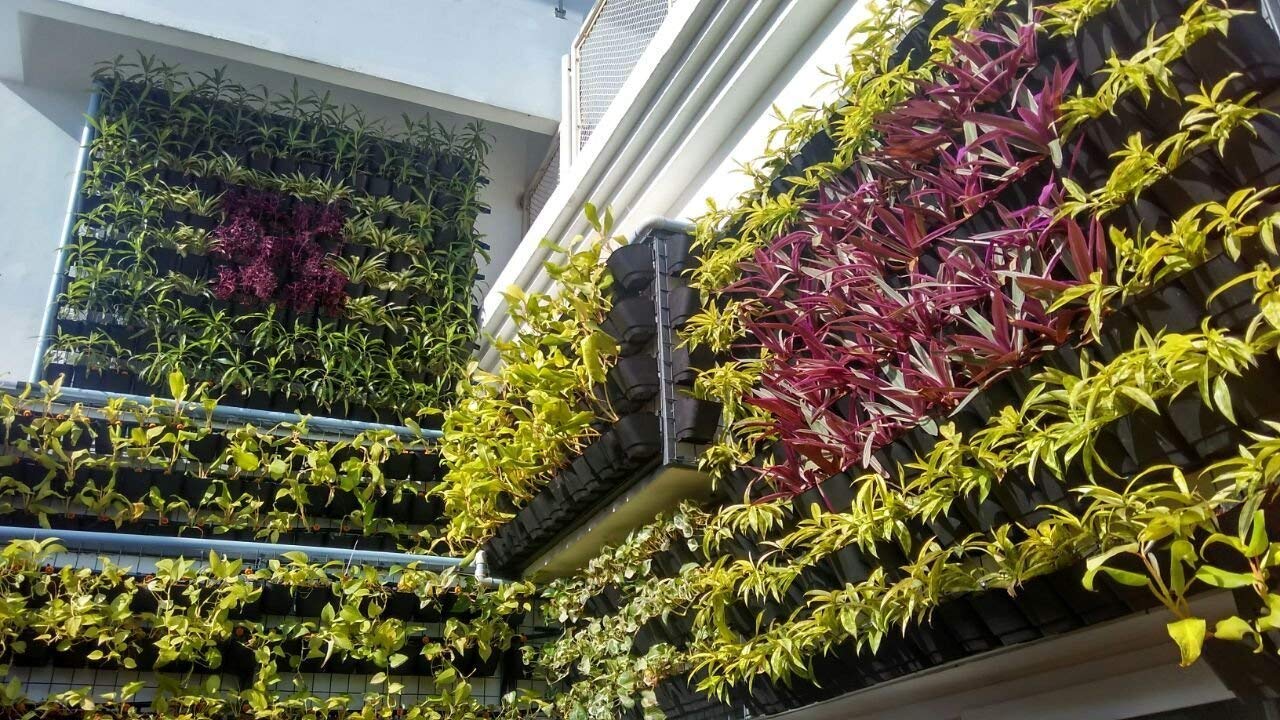
Vertical gardens are one of the most practical and visually effective landscaping solutions for small home exteriors. They allow homeowners to introduce greenery without occupying valuable ground space while enhancing curb appeal and improving the outdoor environment. Whether installed near entrances, boundary walls, balconies, or exterior facades, vertical gardens can transform compact spaces into attractive green features.
This guide explores smart vertical garden ideas that improve the appearance, functionality, and sustainability of small residential exteriors.
Why Vertical Gardens Are Ideal for Small Home Exteriors
Limited outdoor space often restricts traditional landscaping options. Vertical gardening solves this challenge by using walls and vertical surfaces efficiently.
Key advantages include
- Maximizing greenery in limited spaces
- Enhancing exterior visual appeal
- Improving air quality around the home
- Reducing heat absorption on exterior walls
- Creating natural privacy screens
Vertical gardens provide both decorative and functional benefits for compact properties.
Installing Wall Mounted Planter Systems
Wall mounted planter systems are among the easiest vertical gardening solutions for small homes. These modular systems can be arranged creatively to match architectural layouts.
Suitable locations include
- Entrance walls
- Porch areas
- Boundary walls
- Balcony exteriors facing streets
Using uniform planter arrangements creates a clean and organized exterior appearance.
Using Climbing Plants Along Exterior Walls
Climbing plants naturally cover vertical surfaces and add texture to otherwise plain walls. They are especially useful for narrow outdoor areas where ground planting space is limited.
Popular climbing plant benefits include
- Softening rigid exterior structures
- Providing shade to exterior walls
- Reducing surface heat absorption
- Improving overall visual depth
Support structures such as trellises help guide plant growth neatly.
Creating Vertical Gardens Around Entry Areas
Entry zones are ideal locations for vertical garden installations because they shape the first impression of a home.
Effective entry area ideas include
- Installing symmetrical plant panels near doors
- Adding narrow wall mounted planters beside entrances
- Integrating vertical greenery with porch lighting
- Combining flowering plants with foliage plants
These additions create welcoming and visually balanced entryways.
Designing Vertical Herb Gardens Near Kitchen Walls
Vertical herb gardens combine aesthetics with functionality. They allow homeowners to grow useful plants without occupying ground space.
Common herbs suitable for vertical planting include
- Basil
- Mint
- Coriander
- Rosemary
- Thyme
Positioning herb gardens near kitchen-facing exterior walls improves accessibility and encourages daily use.
Adding Decorative Trellis Structures for Plant Support
Trellis systems enhance both plant growth and exterior design structure. They allow climbing plants to grow evenly while maintaining organized layouts.
Advantages of trellis installations include
- Supporting vertical plant expansion
- Improving wall surface coverage
- Adding architectural interest
- Creating natural screening elements
Wooden or metal trellises can complement different exterior styles.
Using Hanging Planter Rows for Narrow Outdoor Spaces
Hanging planter rows are ideal for extremely compact areas where wall installation space is limited.
Best placement options include
- Narrow boundary walls
- Balcony railings facing streets
- Side passage walls
- Garage exterior walls
Layered hanging arrangements add movement and variety to exterior surfaces.
Creating Living Privacy Screens Using Vertical Gardens
Vertical greenery can function as natural privacy barriers between homes and neighboring properties.
Privacy screen benefits include
- Reducing visibility from outside areas
- Minimizing dust exposure near entrances
- Improving outdoor comfort
- Enhancing exterior landscaping appeal
Dense foliage plants work best for privacy-focused vertical gardens.
Selecting Low Maintenance Plants for Vertical Installations
Choosing the right plants ensures long term success with minimal upkeep.
Suitable plant types include
- Hardy foliage plants
- Drought resistant varieties
- Shade tolerant climbers
- Seasonal flowering plants
Low maintenance selections reduce watering and pruning requirements.
Integrating Vertical Gardens with Exterior Lighting Features
Combining greenery with lighting enhances the appearance of vertical gardens after sunset.
Effective lighting integration ideas include
- Soft wall mounted accent lights
- Entry pathway lighting near vertical panels
- Upward lighting highlighting plant textures
- Warm tone lighting around entrance gardens
Lighting improves both safety and visual appeal.
Improving Property Value Through Vertical Landscaping
Vertical gardens enhance residential presentation and increase perceived property quality. Homes with attractive exterior greenery often appeal more strongly to visitors and potential buyers.
Additional value benefits include
- Improved exterior character
- Better environmental comfort
- Enhanced neighborhood compatibility
- Increased visual distinction among nearby homes
Even simple vertical installations can significantly elevate curb appeal.
Frequently Asked Questions About
How much space is required to install a vertical garden
Vertical gardens require very little ground space since they are installed on walls or vertical structures, making them ideal for compact homes.
Which walls are most suitable for vertical garden installation
Boundary walls, entrance walls, balcony exteriors, and side passage walls are commonly used for vertical garden setups.
Do vertical gardens require special watering systems
Small vertical gardens can be maintained with manual watering, while larger installations may benefit from drip irrigation systems.
Can vertical gardens help reduce wall heat during summer
Yes dense plant coverage can reduce heat absorption on exterior walls and improve surrounding comfort levels.
Are vertical gardens suitable for rented homes
Portable planter systems and removable trellis structures make vertical gardens suitable for temporary installations.
How often should vertical garden plants be trimmed
Most vertical garden plants require trimming every few weeks depending on growth speed and plant type.
Can vertical gardens be installed on shaded exterior walls
Yes shade tolerant plant varieties grow well on walls that receive limited sunlight.
